10 Best Codev Alternatives and Competitors in 2026
Are you exploring low-code or AI-powered platforms that offer more flexibility than Codev?
Are you struggling to scale your app because of Codev’s limitations?
Or maybe you’re considering switching to a tool that’s faster, more collaborative, and fits your exact development workflow?
If yes, you’re in the right place.

Codev has gained attention as a low-code tool that helps developers and designers convert ideas into production-ready code. It’s great for quick UI mockups and Figma-to-code workflows. But as your product grows, you might need more control, deeper integrations, or a platform that supports larger teams and complex projects with ease.
In this article, you’ll discover 10 powerful Codev alternatives, who they’re best suited for, their key features, pros, cons, pricing, and tips to help you choose the right tool for your needs all to help you build faster, smarter, and with fewer roadblocks.
Also Read: Codev Pricing
Our Criteria for Ranking the Top Codev AI Alternatives
Choosing the right alternative to Codev isn’t just about features it’s about finding a tool that solves real-world development challenges better. To curate this list, we evaluated over 25 low-code and AI-powered development platforms using data from trusted sources like G2, Capterra, Gartner, and GetApp.
But we didn’t stop at ratings.
We closely analyzed user feedback, hands-on reviews, and real-world use cases to identify platforms that consistently deliver better results than Codev in actual development workflows. Our focus was on tools that go beyond surface-level functionality and provide lasting value across different stages of product development.
Here’s what we looked for:
- AI and automation capabilities: Does the platform enhance productivity through AI code generation, design-to-code workflows, or smart debugging?
- Speed and flexibility: Can teams build and iterate faster, without hitting platform limitations?
- Integration support: How well does it connect with Figma, GitHub, APIs, databases, or dev tools your team already uses?
- Customization and scalability: Can you build complex UIs, manage data efficiently, and scale as your app grows?
- Developer experience: Is the learning curve short, documentation clear, and collaboration smooth for both developers and designers?
- Pricing transparency: Does the platform offer fair, scalable pricing for startups and teams?
After evaluating these factors, we selected the top 10 Codev alternatives that outperform Codev in core functionality, team collaboration, and long-term scalability.
Top 10 Codev Alternatives and Competitors
Vitara – Best Codev Alternative for AI-Powered Full-Stack Development

Vitara is a robust AI development platform built for teams that need complete control across the stack without sacrificing speed. While Codev focuses mainly on frontend and UI generation, Vitara goes further by enabling full-stack development through simple text prompts.
You can generate user interfaces, backend APIs, authentication layers, and database models all in one flow. Developers can fine-tune the generated code in real time or export it for use in their own stack. It’s ideal for building production-ready apps that are clean, scalable, and easy to maintain.
Key Features:
- AI-powered app generation covering frontend, backend, and database
- Support for React, Node.js, Prisma, and PostgreSQL
- Real-time editing with GitHub integration
- Built-in authentication and API layers
- Clean code export for full control
Best for: Product teams and developers building full-stack applications at speed
Codev alternative for: Full-stack flexibility, scalable architecture, and faster go-to-market
You Should Read This:
Lovable – Best Codev Alternative for UI Mockups and Frontend Prototyping
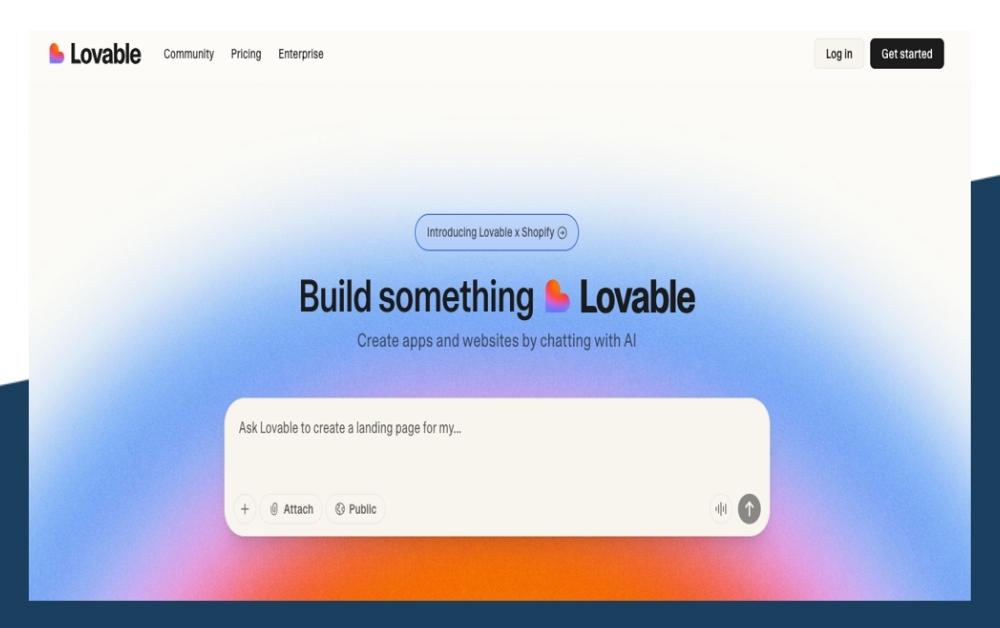
Lovable is a fast, prompt-driven UI builder that turns text into responsive, production-ready interfaces. It focuses on frontend design, making it perfect for teams that want to go from idea to prototype quickly.
Unlike Codev, which blends design-to-code workflows with backend hooks, Lovable keeps things simple. You describe the layout you want, and it instantly generates HTML, CSS, and JavaScript you can use or tweak. It’s an excellent fit for UI-first teams that value speed and simplicity.
Key Features:
- Prompt-to-UI generation with clean frontend code
- Live preview and editing environment
- Shareable prototypes for collaboration
- Simple export functionality
- Beginner-friendly interface
Best for: Designers and teams creating quick prototypes or static frontends
Codev alternative for: Rapid UI development, clean frontend code, and visual workflows.
Also Read:
Bolt.new – Best Codev Alternative for Production-Ready AI App Generation
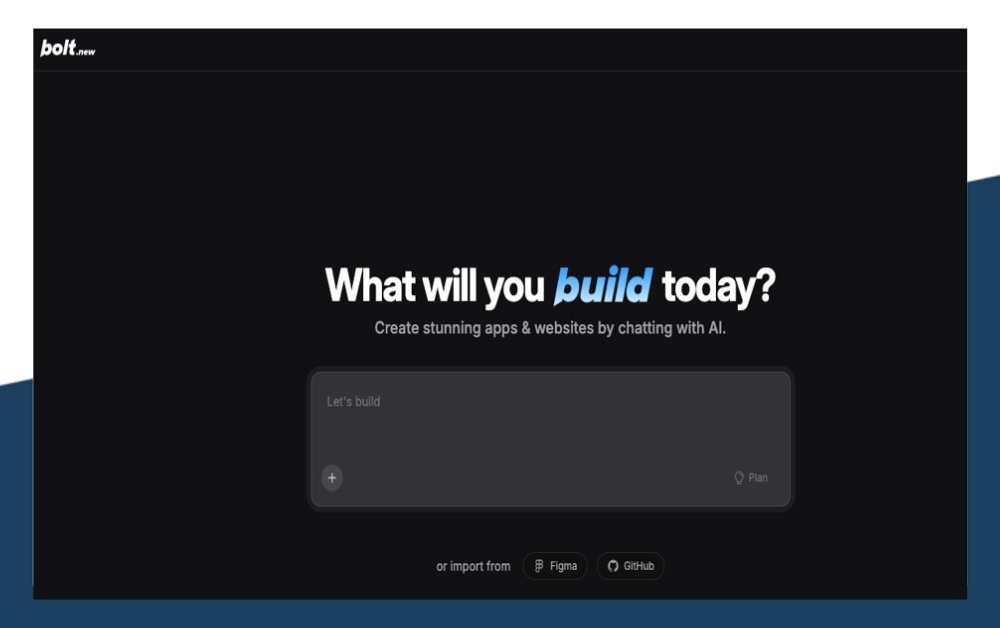
Bolt.new stands out as a true full-stack AI vibe coding tool that helps teams build and deploy real applications not just mockups. Unlike Codev, which is more focused on UI and design-to-code handoff, Bolt.new generates complete projects with frontend, backend, and database support through simple natural language prompts.
It uses a modern stack, including React, Node.js, Prisma, and PostgreSQL, making it ideal for developers who want scalable, real-world code they can ship. Bolt also integrates with GitHub, so teams can collaborate, review, and deploy confidently without starting from scratch.
Key Features:
- AI prompt-to-app generation for frontend and backend
- Built-in support for auth, database, and APIs
- Code export and GitHub syncing
- Developer-friendly tech stack
- Deployable and production-ready output
Best for: Startups and product teams launching MVPs or internal tools
Codev alternative for: Full-stack scaffolding, clean codebase, and deployment-focused workflows
Also Read:
Appsmith – Best Codev Alternative for Internal Tools and Business Apps
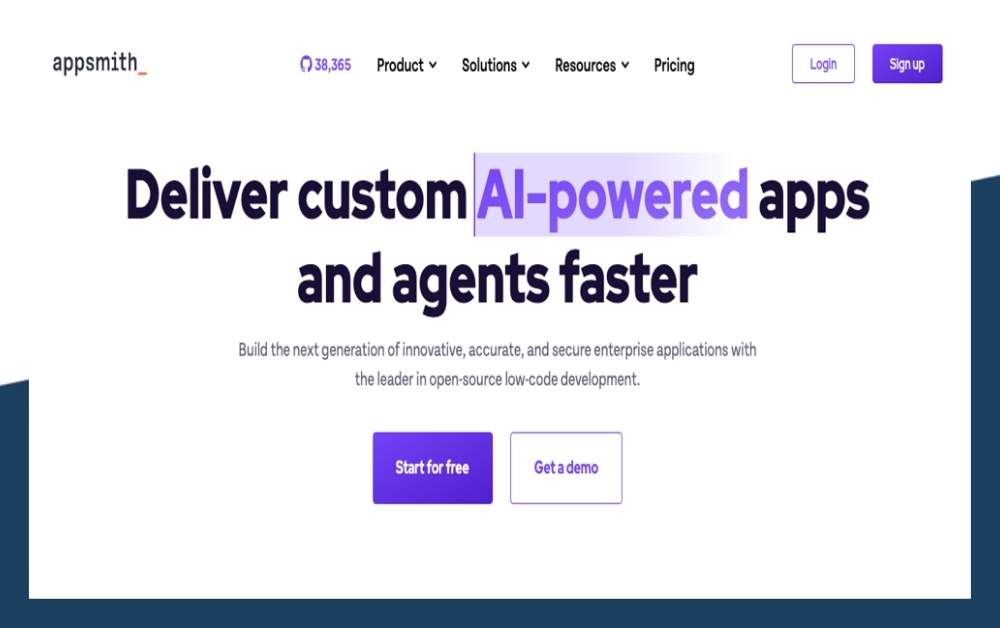
Appsmith is a low-code platform built for teams that need custom internal tools fast. Unlike Codev, which leans more toward UI design and static code export, Appsmith excels at connecting with databases, APIs, and internal systems to create dynamic, data-driven applications.
It offers drag-and-drop UI components, built-in logic handling, and seamless integration with PostgreSQL, MongoDB, REST APIs, and more. Teams can build dashboards, admin panels, or customer support tools without writing a full app from scratch.
Key Features:
- Visual builder with drag-and-drop components
- Connects to SQL, NoSQL, REST, and GraphQL
- Built-in JS logic editor
- Role-based access control and deployment tools
- Open-source with strong community support
Best for: Teams building dashboards, internal tools, or admin panels
Codev alternative for: Data-driven app building, API integrations, and scalable backend logic
You Should Know:
5 Best Appsmith Alternatives and Competitors
Base44 – Best Codev Alternative for Design-to-Code Automation

Base44 is tailored for product teams and designers who want to speed up the design-to-code process using AI. While Codev also supports Figma-to-code workflows, Base44 puts automation front and center. It allows you to generate React components directly from design files, with minimal manual adjustments.
The platform is built with collaboration in mind, offering tools for version control, team reviews, and handoffs. If you’re looking for a way to streamline design implementation without getting stuck in repetitive frontend tasks, Base44 delivers a focused, AI-enhanced workflow.
Key Features:
- Figma-to-React component generation
- Automated code formatting and optimization
- Version control and team collaboration tools
- Export-ready for any frontend project
- Easy integration with developer pipelines
Best for: Design and frontend teams looking to automate UI code generation
Codev alternative for: Streamlined design-to-code workflows, AI-assisted UI building, and faster iterations
Also Read:
Base44 Alternatives: 5 AI App Builders You Should Try
Replit – Best Codev Alternative for In-Browser Coding and Instant Deployment
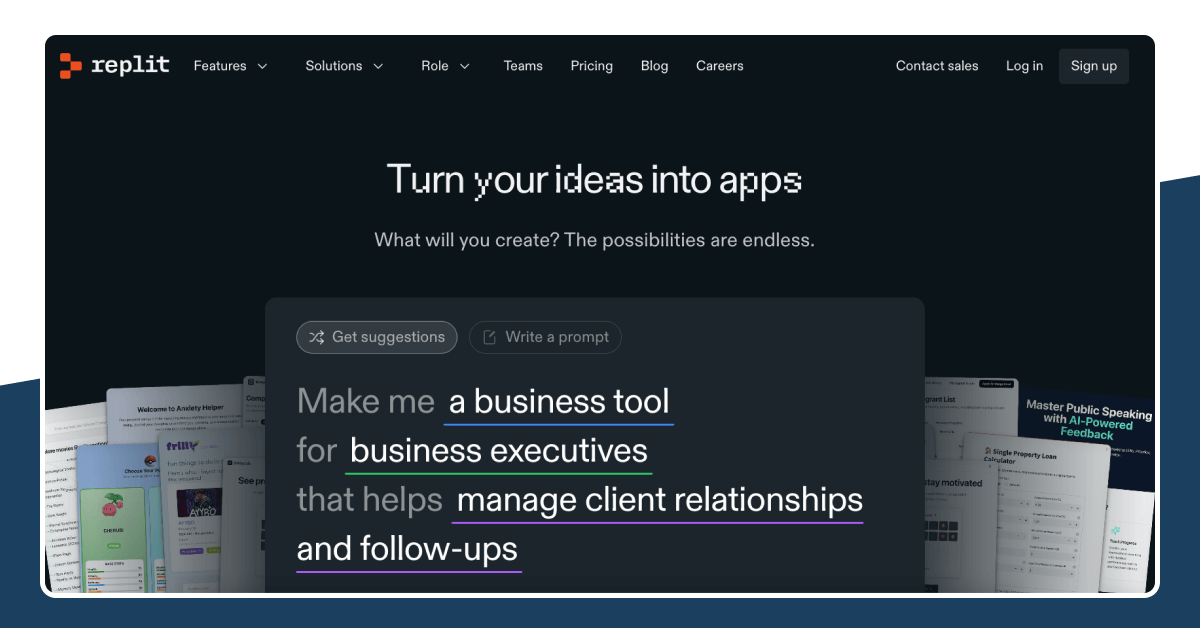
Replit is a cloud-based development platform that lets you write, test, and deploy code directly in your browser. Unlike Codev, which emphasizes design-to-code workflows, Replit provides a full development environment with AI assistance and real-time collaboration. It supports both frontend and backend development, so you can build complete applications from anywhere.
Its built-in Ghostwriter AI helps with code generation, debugging, and learning. Whether you’re prototyping or deploying to production, Replit offers all the tools you need without local setup or infrastructure headaches.
Key Features:
- Full in-browser IDE with live collaboration
- Ghostwriter AI for intelligent code suggestions
- Built-in deployment, database, and hosting tools
- Supports 50+ languages and frameworks
- Team environments for classroom or dev teams
Best for: Developers and teams who want a cloud-based workspace with AI support
Codev alternative for: Full coding workflows, backend support, and instant deployment
Also Read:
Cursor – Best Codev Alternative for AI-Powered IDE and Pair Programming
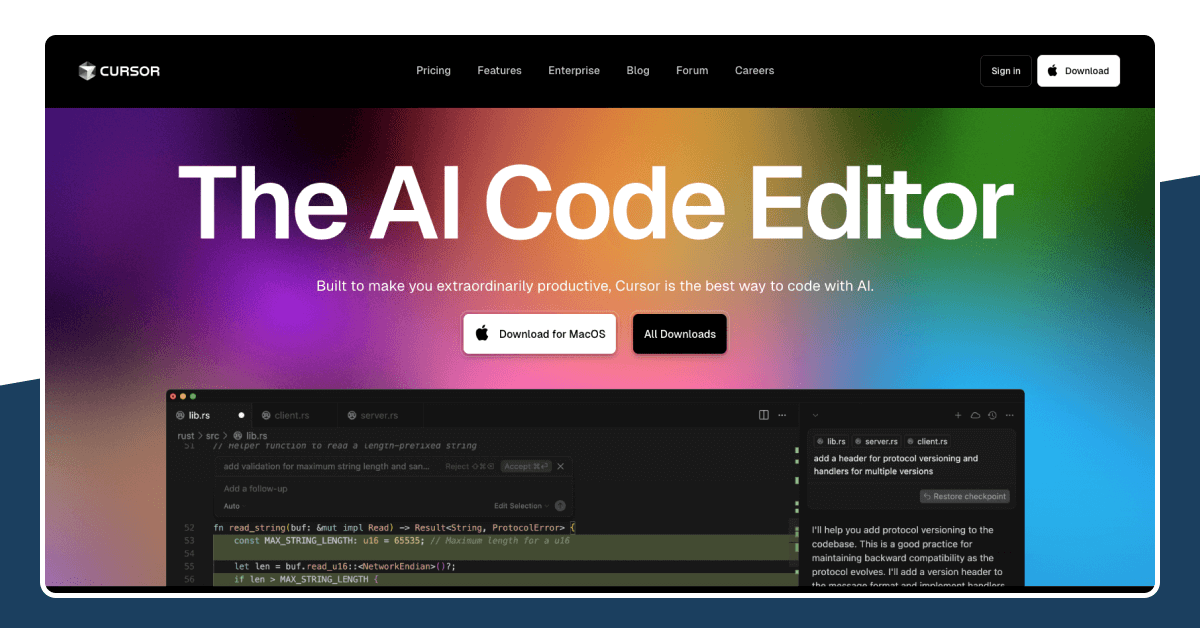
Cursor is an AI-enhanced version of VS Code designed to assist developers inside their own workflow. Unlike Codev, which focuses on generating UI code from designs, Cursor acts like an intelligent coding partner that understands large projects and improves developer productivity through automation.
It features semantic search, inline code generation, and smart error fixing. Cursor works entirely on your local machine, offering privacy along with power. It’s a great fit for teams managing complex applications or legacy systems where deep code insight is essential.
Key Features:
- AI assistant built into a custom VS Code fork
- Inline suggestions, smart refactoring, and error resolution
- Semantic code search for quick navigation
- Local execution for better privacy and control
- Supports fast onboarding and collaborative development
Best for: Developers handling complex projects or large codebases
Codev alternative for: AI-powered code understanding, refactoring, and local-first workflows
Also Read:
Hostinger Horizons – Best Codev Alternative for Simple Web App Creation with AI

Hostinger Horizons is an AI-driven platform built for users who want to launch a website or web app with minimal effort. While Codev is aimed at developers looking to convert designs into code, Horizons helps non-technical users build functional sites by describing what they need in plain language.
It auto-generates layout, content, and navigation while handling hosting and deployment in the background. The result is a clean, responsive website without the need to touch code. It’s perfect for small businesses, landing pages, or personal projects that need to go live quickly.
Key Features:
- Prompt-based AI site builder with visual editor
- Integrated hosting, domains, and SSL
- Mobile-responsive design templates
- Fast deployment with no coding required
- Optional code editing for advanced users
Best for: Entrepreneurs and small teams who want to launch quickly without coding
Codev alternative for: Fast web creation, hosting integration, and no-code simplicity
You Should Learn This:
Best Hostinger Horizons Alternatives and Competitors
WeWeb – Best Codev Alternative for Visual Frontend Development with API Integration

WeWeb is a no-code frontend builder designed for teams that need pixel-perfect control and seamless backend connectivity. While Codev focuses on turning Figma designs into static code, WeWeb empowers users to visually build responsive frontends and connect them to any API or external data source in real time.
It supports dynamic content, conditional logic, user authentication, and more. WeWeb gives you frontend flexibility without writing code, but also allows developers to add custom code when needed. It’s an excellent choice for teams building dashboards, portals, or client-facing apps that rely heavily on external data.
Key Features:
- Drag-and-drop frontend builder with responsive design
- API and database integration without writing code
- Supports dynamic pages, user roles, and logic
- Export or host on Webflow, Vercel, or custom setup
- Team collaboration and version history
Best for: Teams building dynamic frontends with flexible data integration
Codev alternative for: No-code frontend creation with real-time data and business logic
Also Read:
WeWeb Alternatives: 5 AI App Builders You Should Try
FlutterFlow – Best Codev Alternative for Cross-Platform App Development

FlutterFlow is a low-code platform built on Flutter, enabling developers to create mobile and web apps with a single codebase. Unlike Codev, which is mainly focused on frontend code generation from designs, FlutterFlow supports full app development with UI building, state management, Firebase integration, and code export.
You can design UIs visually, add custom actions, manage app logic, and deploy natively or to the web. It’s ideal for teams building scalable apps that need to perform across Android, iOS, and web from one platform.
Key Features:
- Visual app builder powered by Flutter
- Cross-platform support (iOS, Android, Web)
- Firebase and API integrations
- Custom actions and backend logic
- Full source code export and GitHub sync
Best for: Developers and product teams creating cross-platform apps at scale
Codev alternative for: Full-featured app development with native performance and cross-platform reach

Codev Alternatives Comparison Table
Here’s a quick side-by-side comparison of the top 10 Codev alternatives. Use this table to find the platform that best matches your team’s development workflow, scalability needs, and project goals before diving into the detailed reviews above.
| Tool | Best For | Standout Features | Codev Alternative For |
|---|---|---|---|
| Vitara | Full-stack AI-powered app development | Prompt-to-code for frontend, backend, and database; GitHub sync; clean code export | Full-stack flexibility and faster go-to-market |
| Lovable | Fast UI prototyping and frontend mockups | AI-generated HTML/CSS/JS from prompts; live preview; shareable prototypes | Rapid UI development and visual workflows |
| Bolt.new | Production-ready full-stack apps | AI scaffolding with React + Node.js; built-in auth, APIs, and database setup | Clean full-stack codebase and deployment-ready projects |
| Appsmith | Internal tools and dashboards | Drag-and-drop builder; SQL/API integration; role-based access control | Data-driven app building and backend logic |
| Base44 | Design-to-code automation | Figma-to-React generation; version control; AI-enhanced workflows | Streamlined frontend code generation |
| Replit | Cloud-based dev with instant deployment | In-browser IDE; Ghostwriter AI; built-in hosting and database | Full coding workflows and backend support |
| Cursor | Complex codebase editing with AI assistance | AI pair programming; local-first IDE; smart refactoring and search | Deep code insight and refactor-friendly dev |
| Hostinger Horizons | Quick website/app launches without code | Prompt-based site builder; integrated hosting; mobile-ready templates | Fast web creation and no-code simplicity |
| WeWeb | Visual frontends with API/database integration | No-code builder; dynamic logic; API connections; responsive design | No-code frontend with real-time data workflows |
| FlutterFlow | Cross-platform mobile and web app development | Visual UI builder; Firebase integration; native exports | Full-featured, scalable app development across platforms |
Final Thoughts
Codev is a great starting point for design-to-code workflows and quick UI development. But when your project grows, its limitations start to show. You may need more backend flexibility, advanced integrations, or stronger collaboration features.
If you’re ready to move beyond Codev, the platforms listed above offer real advantages. Tools like Vitara and Bolt.new give you full control over both frontend and backend. Others like WeWeb and Hostinger Horizons simplify visual development without sacrificing scalability.
Whether you’re building solo, launching a startup, or managing an enterprise project, there’s a Codev alternative that fits your workflow. Each option brings unique strengths to help you ship faster, maintain cleaner code, and grow without technical bottlenecks.
The best part? Many of these platforms offer free plans or trials. You can explore your options, test real-world use cases, and choose the one that truly supports your team’s goals.
Frequently Asked Questions (FAQs)
1. Why should I consider a Codev alternative?
Codev is useful for fast UI generation and design-to-code workflows. However, it lacks robust backend features, deep integrations, and team collaboration tools. If you’re building production-ready apps or need more flexibility, switching to an alternative may offer better long-term value.
2. Which Codev alternative is best for full-stack development?
Vitara and Bolt.new are excellent choices for full-stack development. Both platforms support frontend, backend, and database generation using natural language prompts and let you export clean, production-ready code.
3. Is there a no-code alternative to Codev for non-developers?
Yes. Hostinger Horizons and WeWeb are ideal for non-technical users. They allow you to build functional web apps using prompts or visual builders, with no need to write code.
4. Can I use these Codev alternatives for internal business tools?
Absolutely. Appsmith is built for internal tools and dashboard creation. It connects easily to SQL, NoSQL, and APIs, making it a strong fit for data-driven internal apps.
5. Are any of these Codev competitors free to use?
Many alternatives offer free plans or trials. For example, Replit, Appsmith, and FlutterFlow have free tiers, making them great for early-stage teams or solo developers who want to test before committing.
6. Which alternative offers the best Figma-to-code automation?
Base44 is one of the best tools for automating Figma-to-React workflows. It converts designs into clean code with minimal manual adjustment, helping designers and developers collaborate more efficiently.
7. How do these tools compare to Codev in terms of collaboration?
Platforms like Vitara, Cursor, and WeWeb offer strong collaboration features, including real-time editing, GitHub sync, and team version control. These features are ideal for multi-person dev teams or remote workflows.
8. Do I need coding skills to use these Codev alternatives?
It depends on the platform. Some tools like Lovable and Hostinger Horizons are beginner-friendly and require little to no coding. Others like Vitara and Bolt.new are best suited for developers who want AI-assisted control over their tech stack.
9. What’s the best Codev alternative for cross-platform app development?
FlutterFlow is the top choice for building apps that run on Android, iOS, and the web from a single codebase. It offers visual UI building, backend logic, and native deployment support.
10. Can these platforms scale with my project as it grows?
Yes. Tools like Vitara, Bolt.new, and Appsmith are designed with scalability in mind. They offer backend flexibility, authentication, API integrations, and team collaboration features that grow with your project.
What’s New?