Lovable vs Replit: Which AI Platform is Right for You in 2026
It is 2026. AI is no longer just part of the development process. It drives the entire workflow.
Ideas that once took weeks to turn into working software now come alive in hours. Sometimes in minutes. Lovable and Replit are At the center of this shift that keep showing up in conversations about fast, AI-powered development. Both help you build smarter and faster, yet they take very different paths.
So which platform fits your workflow?

This guide gives you a clear, practical comparison of Lovable and Replit. You will see how each platform performs in real-world scenarios and how they differ in areas that matter, such as:
- AI capabilities
- Workflow and customization
- Pricing and scalability
- Speed and ease of use
- Best-fit use cases
Whether you want to build your first MVP or scale a production-ready app, this comparison will point you in the right direction.
Let’s get started.
What is Lovable?
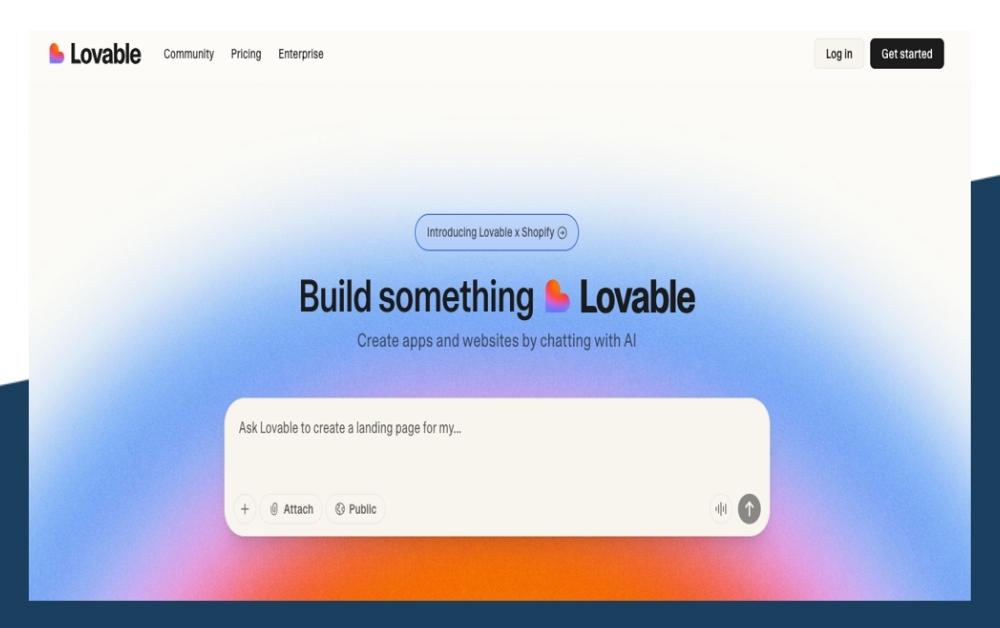
Lovable is an AI-powered app builder designed for non-technical users. It lets you describe your idea in plain language and instantly generates a working interface. No code, no setup, just fast, intuitive app creation through conversation.
You Should Know other Vibe Coding Tools:
What is Replit?
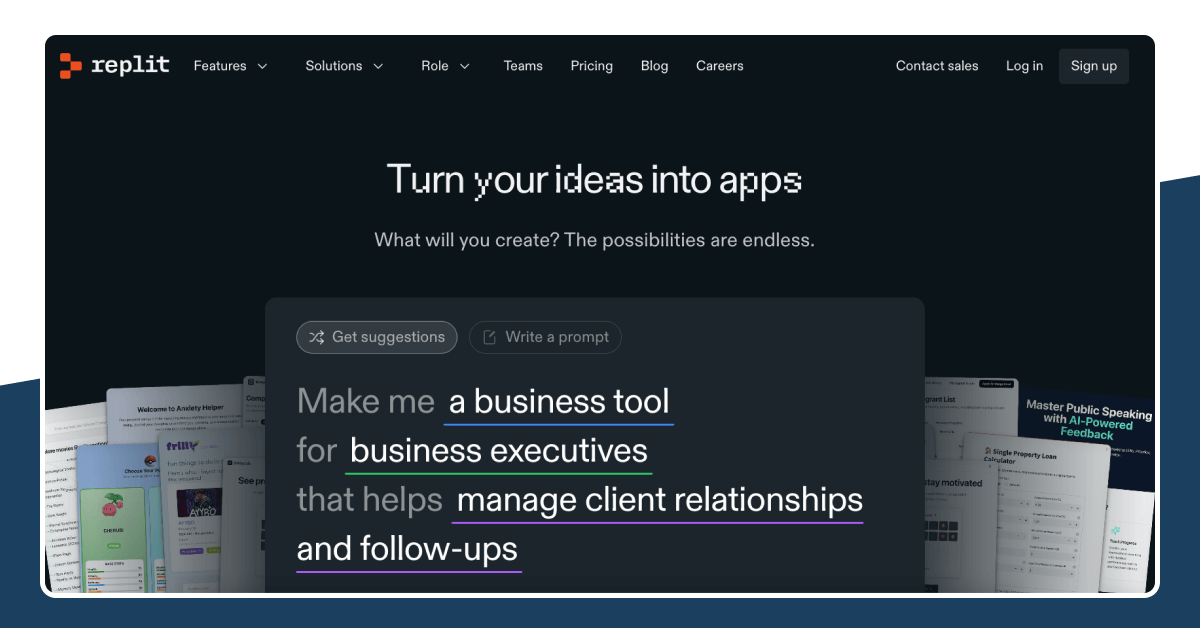
Replit is a cloud-based development environment that blends AI assistance with full coding control. It’s built for developers who want to write, test, and deploy apps from one place. With built-in AI tools, it speeds up coding without taking away technical flexibility.
More Vibe Coding Tools You Might Like:
Lovable vs Replit: Breaking Down the AI Power Behind Each Tool
Both Lovable and Replit use AI to speed up development, but their strengths lie in very different areas. The table below breaks down how each platform’s AI performs across key features that matter to builders.
| Feature | Replit (Ghostwriter) | Lovable AI |
|---|---|---|
| Prompt to Code | Yes — AI generates full code blocks, autocompletes, and offers full-stack templates | No direct code generation — focuses on visual and UI components |
| UI Generation | Manual or template-based UI building | Yes — generates complete UI screens from natural language |
| Backend Logic Support | Full backend support — write server code directly in the IDE | Not supported — lacks backend or database capabilities |
| Real-Time AI Suggestions | Yes — code suggestions, chat-like AI assistant, works like GitHub Copilot | Yes — mostly layout and visual feedback |
| Deployment Options | Built-in one-click deployment using Replit Deployments | No hosting — requires manual export or integration with external systems |
| Training Data Focus | Optimized for general-purpose coding across multiple languages | Tuned for design workflows and user interface patterns |
| Customization Flexibility | High — users can edit AI-generated code or write custom logic | Low — limited to visual adjustments, no code-level edits |
| Use Case Strength | Ideal for developers building full-stack, production-ready apps | Great for non-coders building MVPs or rapid UI prototypes |
| Speed to First Result | Fast for developers, but may require setup or understanding of code | Extremely fast — MVP-level UI in minutes with no code required |
💸 Pricing Comparison: See Which One Fits Your Budget and Delivers More Value
Choosing the right platform isn’t just about features. It’s also about what you get for the money you invest. Here’s how Lovable and Replit compare when it comes to pricing and overall value.
Lovable Pricing (Monthly, Unlimited Users)
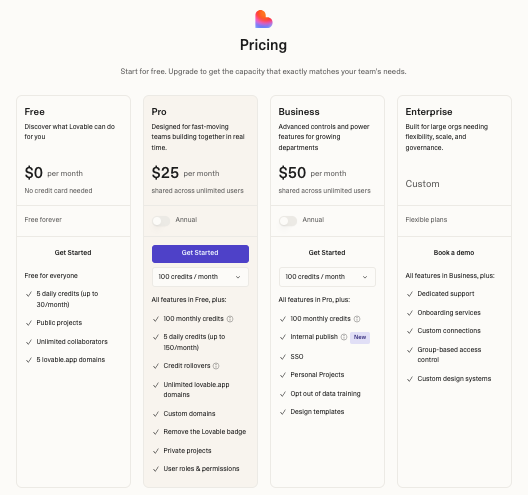
- Free Plan
A basic free tier is available. Best for exploring the platform or testing early ideas. - Pro — $25/month
Includes 100 monthly credits, 5 daily credits (up to 150 per month), unlimited apps, custom domains, and team permissions. - Business — $50/month
Adds internal app publishing, single sign-on (SSO), and opt-out from AI data training. - Enterprise — Custom Pricing
Designed for large teams or organizations needing advanced control, support, and data governance.
Also You Should Know:
Replit Pricing (Monthly, Billed Annually)
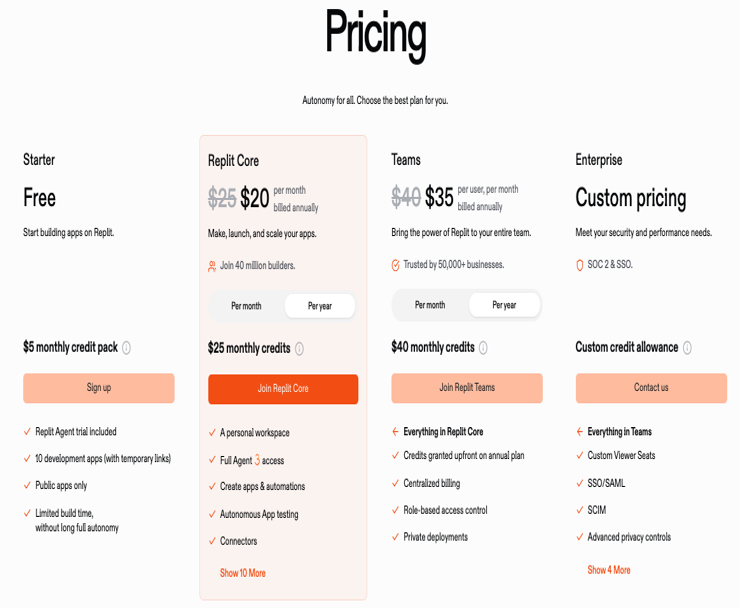
- Starter — Free
Offers a limited development environment. Best for hobbyists or light users building public apps. - Core — $20/month
Unlocks private projects, full AI access, and hosting tools. Ideal for individual developers building serious apps. - Teams — $35/user/month
Everything in Core, plus collaboration tools, centralized billing, and access control for dev teams. - Enterprise — Custom Pricing
Tailored for organizations needing security, compliance, and dedicated support.
Also You Should Know:
🧠 Real-Life Use Cases of Replit and Lovable
Both Lovable and Replit solve real problems, but they shine in very different scenarios. Here’s where each platform fits best based on real workflows and user needs.
✅ Use Replit if you:
- Want an all-in-one coding, testing, and deployment environment in your browser
- Prefer skipping local setup and working entirely online
- Are building full-stack apps, backend scripts, or working with APIs
- Need fast AI-powered code assistance through Ghostwriter
- Want to collaborate in real time with other developers, students, or team members
- Teach programming or run coding workshops
- Need to deploy apps quickly with built-in hosting and scaling features
- Like having full control over the codebase, including versioning and debugging tools
- Plan to build production-ready apps with backend logic, databases, and security features
✅ Use Lovable if you:
- Need to rapidly prototype or validate an app idea without writing any code
- Are a startup founder, product manager, or designer with no technical background
- Want to visualize layouts and interfaces before involving a development team
- Work with clients who need to see a working UI early in the process
- Create MVPs for pitch decks, demos, or user testing
- Prefer AI that acts more like a UI/UX co-designer than a coding assistant
- Need quick iterations for landing pages, mobile app flows, or onboarding screens
- Want to ideate different design directions using natural language prompts
- Have no interest in backend logic but need polished, client-ready front-end visuals
Do You Need to Know Code? Technical Skills Needed for Each Platform
AI can build your app’s foundation, but how far you go depends on your comfort with technology. Here’s what you need to know before diving in.
Lovable: Friendly for Beginners, But Hits a Wall
Lovable is built for non-developers. Its AI makes it easy to get started with clean UI layouts and chat-based edits that feel intuitive. You can build most of your app without touching code. But the simplicity comes at a cost. As your app grows more complex, control becomes limited. That final 20 percent, like fine-tuning logic or customizing specific interactions, often requires manual coding. Beginners can go far quickly, but may hit a ceiling just as they try to polish or scale.
Replit: More Control, More Skill Required
Replit leans toward developers or learners willing to get hands-on with code. It is not as beginner-friendly out of the box, but AI tools like Ghostwriter make it easier to learn and iterate. If you’re already familiar with programming, you will feel right at home in its full development environment. And if you are not, you will still get real-time help writing and understanding code. Replit demands more upfront skill but gives you greater freedom, flexibility, and long-term growth potential.

🤔 Which AI App Builder Is Right for You?
For developers: Replit gives you full control, real code, and serious scalability.
For non-technical founders: Lovable lets you build polished UIs fast without writing a line of code.
For designers: Lovable turns your layout ideas into working screens in minutes.
For learners: Replit is a great place to practice real coding with AI support.
For hybrid teams: Start in Lovable for quick prototypes, then move to Replit to build and launch.
Want an Alternative to Lovable and Replit?
If neither of the platforms above perfectly aligns with your workflow, take a look at Vitara.ai. It blends the rapid UI creation of no-code tools with full-stack flexibility and code export, making it ideal for founders and teams who want both speed and control.
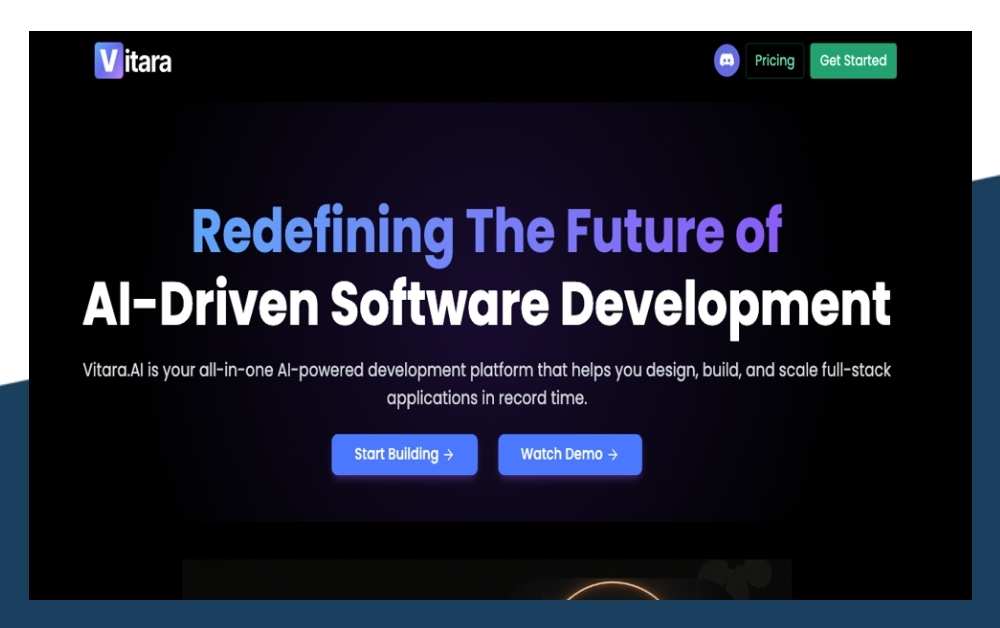
Here’s what makes Vitara stand out:
- Converts natural-language prompts into working applications, including both front-end and back-end
- Allows full code export or deployment, so you’re never locked into the platform
- Supports team collaboration, enabling product managers, designers, and developers to build together seamlessly
If you’re looking for a single tool that combines fast UI generation with real development power, Vitara is a strong alternative to both Lovable and Replit.
Recommend To Also Read This:
- Lovable vs Base44
- Lovable Vs Vitara
- V0 vs Lovable
- Base44 vs Replit
- Base44 vs Bolt.new
- Emergent vs Lovable
Final Thoughts
Lovable and Replit serve very different needs. One is fast and visual, the other is deep and flexible. The right choice depends on your goals, skills, and how much control you want.
If you’re still unsure, start simple and grow into complexity. Build your UI with Lovable, then shift to Replit or Vitara when you’re ready for scale. The best tool is the one that moves your idea forward.
Frequently Asked Questions
Which platform is better for beginners: Lovable or Replit?
Lovable is generally the better option for beginners because it doesn’t require any coding. You simply describe your idea and the platform generates the UI for you. It’s great for people who want to prototype quickly without touching code.
Replit can still work for beginners, especially with its AI tools, but it does expect you to learn the basics of coding. If you’re open to learning and want more long-term flexibility, Replit becomes a better choice as you grow.
Can Lovable build full-stack applications?
No. Lovable focuses on front-end UI generation. It does not currently support backend logic, databases, or API integrations without exporting the project to a coding environment.
Does Replit support backend development?
Yes. Replit supports full-stack development, including server-side code, databases, APIs, authentication, and deployments. It’s designed for developers who need complete control.
Can I export code from Lovable or Replit?
Yes, but the two platforms handle exports differently. Lovable lets you export the UI it generates so you can continue building in a coding environment, but it doesn’t include backend logic because it doesn’t create backend code. Replit, on the other hand, gives you full access to all your project files, allowing you to export or clone the complete codebase whenever you want.
Which platform is better for building a production-ready app?
Replit is the better choice for production apps because it supports full-stack development, debugging tools, hosting, and scalability. Lovable is better for prototypes and UI drafts.
Is AI required to use Replit or Lovable?
No, you don’t have to use the AI features on either platform, but using them can make your experience significantly faster and easier.
Can I collaborate with a team on these platforms?
Yes. Both offer team features:
- Lovable supports teams in higher-tier plans.
- Replit has team workspaces and real-time multiplayer coding, ideal for dev teams.
Which is faster for building a first MVP?
When speed of getting a working prototype matters most for example, to validate an idea or show it to investors Lovable typically has the advantage. It lets you describe your concept in plain language and quickly generates screens, layouts, and app flows without writing code. This means you can often get a visual, interactive version up in minutes.
On the other hand, Replit also offers fast creation thanks to its AI-assisted coding, but because you still need to define backend logic, wire up APIs, and deploy, it usually takes more time compared to Lovable when creating just the first MVP.
Is there an alternative that offers both UI generation and backend logic?
Yes, tools like Vitara.ai provide front-end and backend generation, code export, and full-stack flexibility. It blends speed with the freedom to scale.
What’s New?