V0 vs Lovable: A Complete Comparison of AI App Builders
Building apps is getting easier and faster thanks to AI.
Tools like V0 and Lovable let you build an app just by typing what you want. No long coding sessions. No complicated design tools. Just write a prompt, and the AI creates your app’s layout, pages, and more.
Sounds amazing, right?
But here’s the question: Which one should you choose, V0 or Lovable?
Both tools help you move from idea to working app in minutes. But they do it in different ways.
V0 is better for people who like clean code and want full control.
Lovable is great if you want to build fast with backend, logic, and hosting all in one place.

In this article, we compare V0 and Lovable in a simple and easy-to-understand way. You’ll learn what each tool does best, how they differ, which one fits your project or workflow, and what to expect in terms of features, pricing, and limitations. By the end, you’ll know which tool is the right fit for your needs.
Let’s get started.
What is V0?
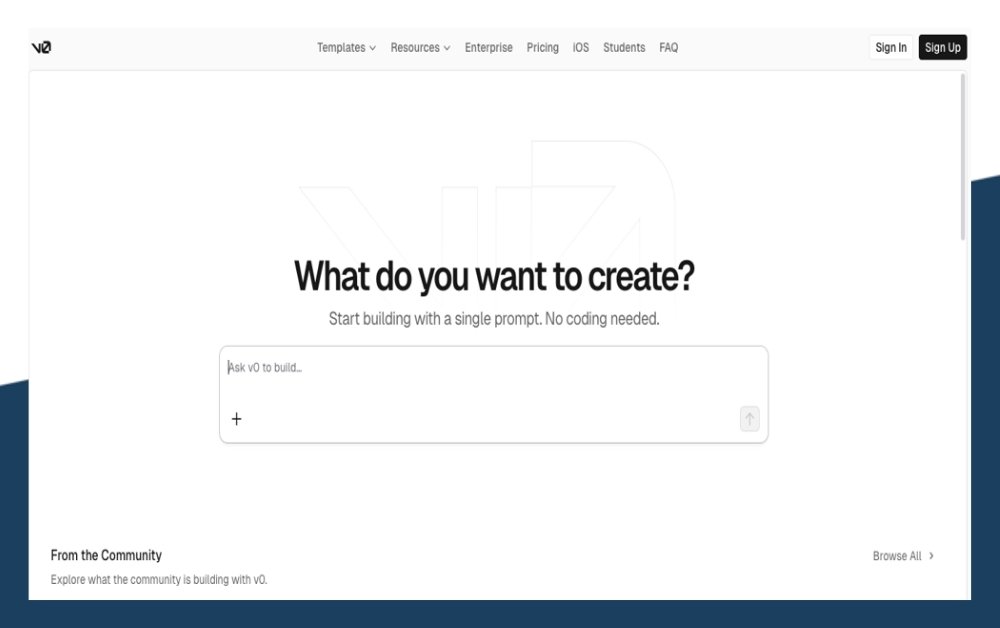
V0.dev is an AI tool built by Vercel, the company behind Next.js. It helps developers turn simple text prompts into working React components. You can use V0 to quickly build layouts, dashboards, and UI blocks without starting from scratch.
V0 is mainly focused on front-end development. It speeds up your workflow by letting you describe a layout in plain English, then gives you clean, editable code.
How V0 works
1. You type a prompt like:
“Dashboard with a sidebar and table of user data.”
2. V0 instantly creates a React component using Next.js and Tailwind CSS.
3. You can edit the layout, regenerate sections, or copy the code into your project.
Key features of V0
- Prompt-to-code: Describe the UI you want. V0 turns it into usable React code.
- Built for Next.js: Generates code that works out of the box with modern React apps.
- Tailwind CSS support: Clean, responsive styles with utility classes.
- Figma plugin: Convert Figma designs directly into React components.
Pros of using V0
- Fast way to scaffold UI components and layouts.
- Clean, production-ready code with Tailwind.
- Great fit for developers using Vercel and Next.js.
Cons of using V0
- Still in early stages and missing some key features.
- No backend or database support.
- You must handle data, logic, and APIs manually.
What is Lovable?
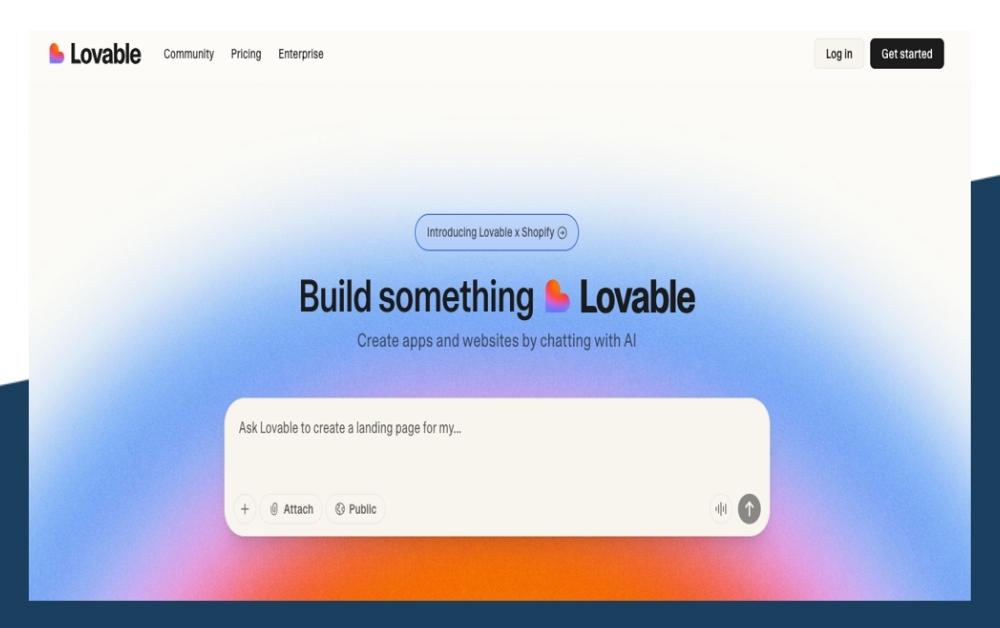
Lovable.ai is an AI-powered app builder that helps you create full-stack applications from a simple text prompt. Unlike tools that only handle the frontend, Lovable takes care of the UI, backend, logic, database, and even hosting.
You don’t need to set up servers or write code. Lovable handles the heavy lifting for you. This makes it a great choice for non-technical users, solo founders, and teams that want to launch apps quickly.
How Lovable works
1. You type a prompt like:
“A task manager app with user login, task list, and due dates.”
2. Lovable builds the full app. It includes the frontend layout, backend logic, database structure, and user authentication.
3. You can edit the app using a visual editor or let the AI update it for you. When you’re ready, you can publish it instantly.
Key features of Lovable
- Prompt-to-app: Turn your idea into a working app with both frontend and backend.
- Full-stack support: Includes database, logic, APIs, and user auth.
- Visual editing: Make changes without writing any code.
- Built-in hosting: Deploy your app directly from the platform.
Pros of using Lovable
- Quickly create real apps from just a prompt.
- No coding needed for most features.
- Backend, database, and logic are included automatically.
- Perfect for MVPs, startup ideas, or internal tools.
Cons of using Lovable
- Less control over the code compared to developer tools.
- Adding complex logic may be harder without technical skills.
- Some features are still in development.
V0 vs Lovable: Key Differences
V0 and Lovable are both AI tools that help you build apps faster, but they take very different paths. One is focused on frontend code and developer flexibility. The other is focused on end-to-end app building with little to no code needed.
Here’s a breakdown of the key differences between the two:
1. Frontend vs Full-Stack
- V0 generates frontend components only. It gives you React code with Tailwind CSS, but no backend logic or database.
- Lovable creates full-stack apps. It includes the frontend, backend, database, logic, and even hosting.
2. Target Users
- V0 is best for developers who want fast UI scaffolding and plan to write the backend themselves.
- Lovable is ideal for non-technical users, product teams, and founders who want a working app without writing code.
3. Code Control
- V0 gives you clean, editable React code you can copy into your own project.
- Lovable hides most of the code but lets you customize your app using a visual editor and prompt updates.
4. Backend and Logic
- V0 does not handle backend logic, APIs, or databases. You need to build and connect those manually.
- Lovable takes care of backend logic, database models, and user authentication out of the box.
5. Design and UI
- V0 outputs raw code, which you can style and extend however you like.
- Lovable gives you a pre-styled app UI that you can tweak in the visual editor.
6. Hosting and Deployment
- V0 does not include hosting. You are expected to deploy the code yourself, often on Vercel.
- Lovable includes built-in hosting, so you can publish your app right from the platform.
7. Learning Curve
- V0 requires some knowledge of React and development tools.
- Lovable is easier for beginners and non-coders to use without any setup.
Pricing Comparison of V0 and Lovable
Here’s a side-by-side look at how V0 and Lovable structure their pricing. This will help you decide which one fits your needs and budget.
V0 Pricing
| Plan | Cost | What you get | What you should know |
|---|---|---|---|
| Free | $0/month | $5 in monthly credits | Great for exploring the platform or testing small UI components |
| Premium | $20/month | $20 in credits each month | Unlocks higher usage, access to API, Figma import, and larger prompt sizes |
| Team | $30 per user/month | $30 credits per user/month | Designed for teams that want shared credits and collaboration features |
| Enterprise | Custom pricing | Tailored plans for large teams | Includes advanced support, security, and custom deployment needs |
How V0 pricing works:
V0 uses a credit-based system. Each time you generate or regenerate code, it uses credits. Bigger prompts and more complex components use more credits. Credits renew monthly, and extra credits can be purchased if needed.
Lovable Pricing
| Plan | Cost | What you get | What you should know |
|---|---|---|---|
| Free | $0/month | 5 AI credits per day (up to ~30 prompts/month) | Good for trying the tool or building basic apps with limits |
| Pro | About $25/month (billed yearly) | More credits, private projects, custom domains, branding removal | Best for solo users or early-stage builders who need fewer limits |
| Business | About $50/month (billed yearly) | Higher limits, team access, roles, templates, SSO support | Suitable for growing teams or users building serious MVPs |
| Enterprise | Custom pricing | Everything in Business plus custom features and support | Designed for larger organizations or high-traffic apps |
How Lovable pricing works:
Lovable uses a credits and message-based system. Each AI action or update uses credits. Higher plans unlock more capacity, privacy, and control. You also get built-in hosting, logic, and database support included in all paid tiers.
You Might Read This:
Top Alternatives to V0 and Lovable
While V0 and Lovable are popular choices, they’re not the only AI app builders out there. If you’re exploring more options, here are some strong alternatives that offer different features, strengths, and levels of control.
1. Vitara

Vitara is an AI-powered full-stack vibe coding tool for app building that helps you build and launch production-ready apps from simple prompts. It focuses on clean, exportable code, scalable architecture, and real developer control, making it a strong choice for startups and solo developers.
Key Features:
- Full-stack app generation with database, backend, and frontend
- Clean, editable code you can export and own
- Built-in AI agent to assist with logic, structure, and iteration
- One-click hosting and version control

Best For:
Users who want full control over their app, clean code, and fast iteration without giving up flexibility.
Also Read: Lovable Vs Vitara
2. Bolt
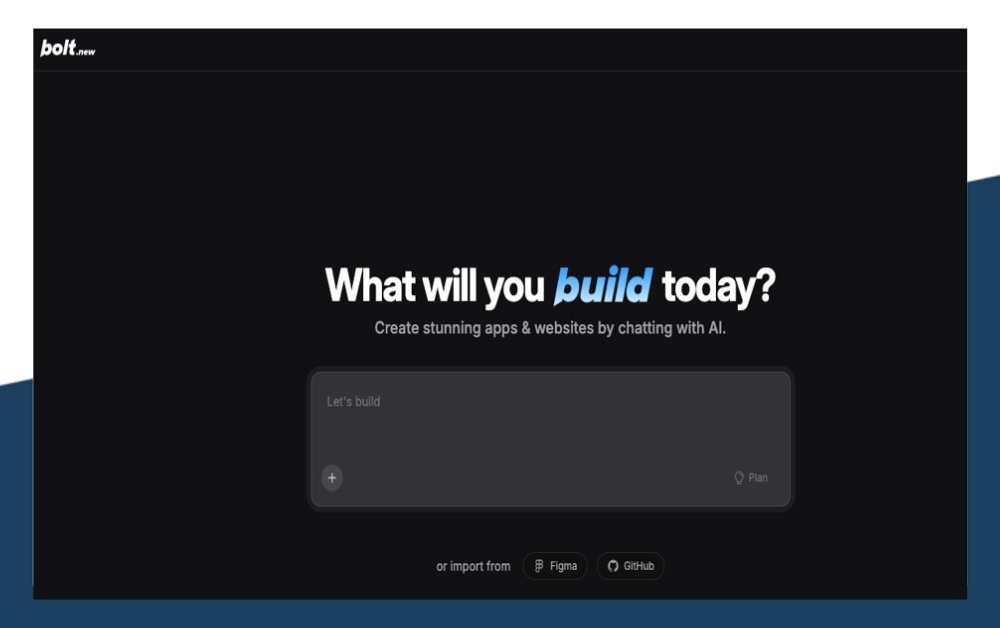
Bolt is an AI UI builder that focuses on turning prompts into frontend designs. It helps designers and developers quickly prototype interfaces, but unlike Lovable or Vitara, it doesn’t handle full backend logic.
Key Features:
- Prompt-based UI generation
- Editable layouts and design components
- Focus on frontend and design speed
Best For:
Designers and frontend developers who want to create interfaces quickly but plan to handle backend separately.
Also Read: Top Bolt.new Alternatives
3. Replit
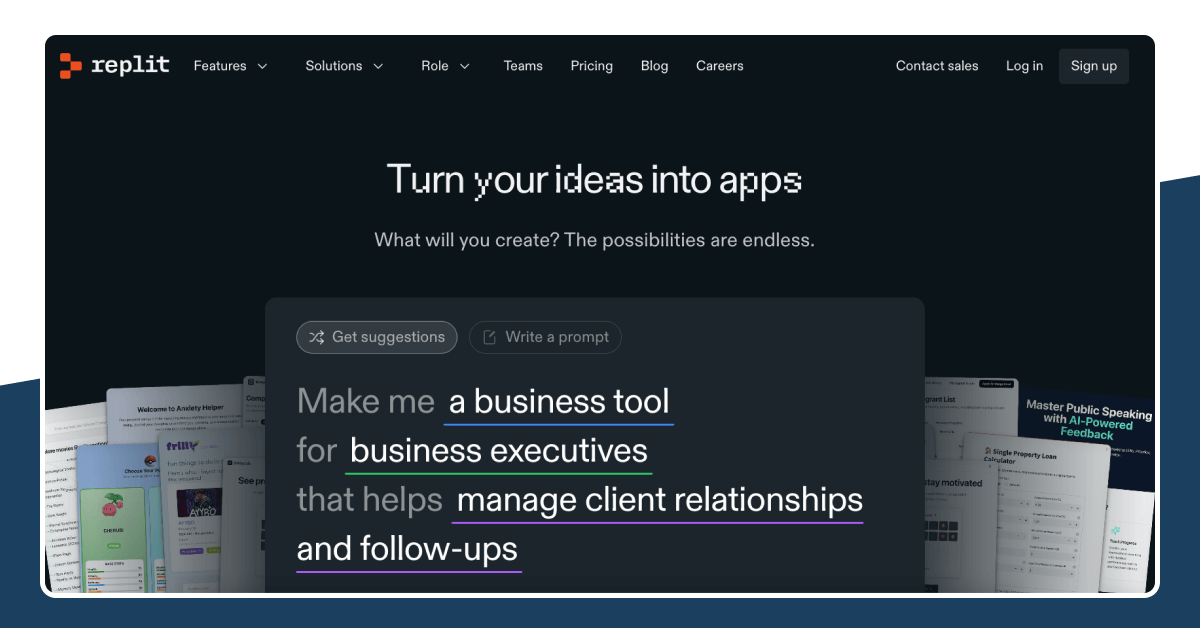
Replit is a cloud-based vibe coding platform that now includes AI tools like Ghostwriter. While not a no-code tool like Lovable, it gives developers a full IDE in the browser and helps generate, complete, and debug code with AI assistance.
Key Features:
- Cloud IDE for 50+ languages
- AI code generation and completion
- Instant hosting and deployment
- Multiplayer collaboration features
Best For:
Developers who want full coding control, AI assistance, and fast deployment from one place.
Also Read: Replit Alternatives
Recommend To Also Read This:
Conclusion
Both V0 and Lovable are powerful AI tools for building apps, but they serve different types of users. If you are a developer who wants clean frontend code and full control over your stack, V0 is a great choice. If you want to create a complete app with frontend, backend, and logic without writing much code, Lovable is the better fit.
The best tool depends on your goals, skills, and how much control you want over your project. If you’re not sure which to choose, try both and see which one matches your workflow better. Each tool brings something valuable to the table and can save you hours of work.
FAQs
What is the main difference between V0 and Lovable?
The main difference is in how much of the app each tool builds for you. V0 focuses on generating clean frontend code quickly, while Lovable creates the entire app including backend, database, and logic. V0 is more like a fast code assistant for developers. Lovable is more like a full app builder for people who want to launch without writing much code.
How much can I customize the apps built with Lovable and V0?
V0 gives you raw React code, so you can customize anything if you know how to code. Lovable lets you customize your app through a visual editor and follow-up prompts. Both tools allow for updates, but V0 offers more flexibility for developers, while Lovable keeps things simple and guided.
Which tool is better for beginners?
It depends on your comfort level with coding. Lovable is easier for beginners who want to build full apps without dealing with code. V0 is better for those who have some knowledge of React or want to learn how real UI code is structured. Both tools are beginner-friendly in different ways, and trying both can help you figure out what works best for you.
Can V0 or Lovable fully replace developers or designers?
Not yet. These tools can speed up the process and help with the first draft of your app, but they still need human input to fine-tune things. Developers still need to handle complex logic, integrations, or performance tuning. Designers still play a big role in branding and experience. Think of these tools as helpers, not full replacements.
What’s New?