Emergent vs Lovable: Which AI App Builder Is Best for You? (Side-by-Side Comparison)
In 2026, AI-powered app builders are reshaping how software gets made. What once required teams of developers and weeks of work can now be done faster with fewer barriers and smarter tools.
Emergent.sh and Lovable.dev are two platforms quickly gaining attention in this space, especially among builders looking to move fast without writing every line of code by hand.

In this article, we’ll break down everything you need to know about Emergent and Lovable. You will learn about their core features, pricing, pros and cons, and more. By the end, you’ll have a clear idea of which AI tool fits your workflow best. Let’s start exploring these AI builders.
What is Emergent.sh?
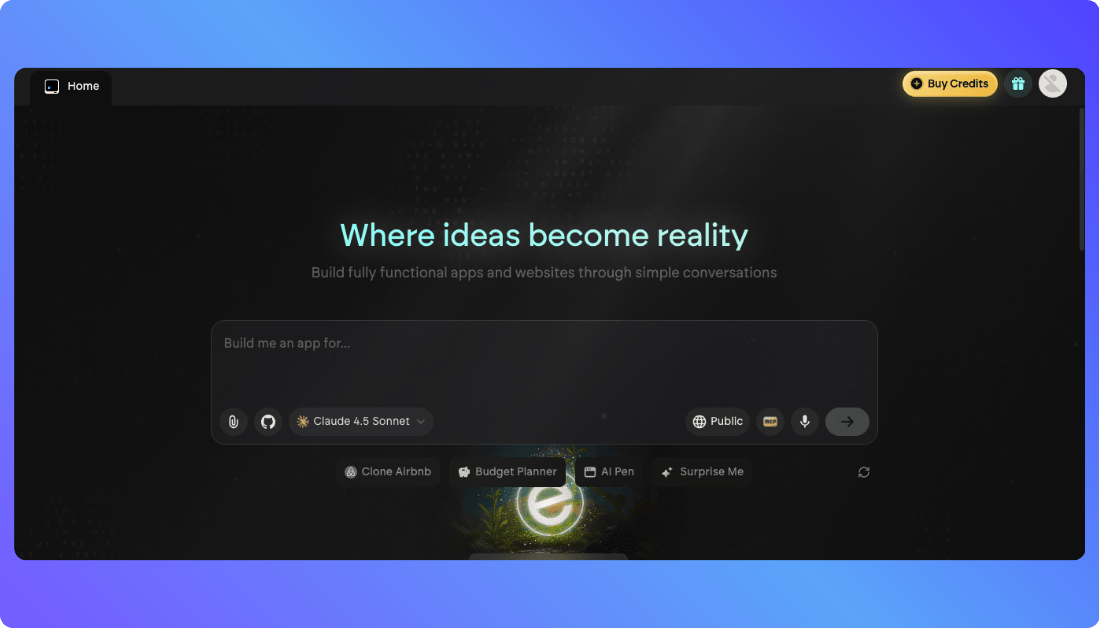
Emergent.sh is an AI-powered platform that lets you build full‑stack applications through natural language instructions. It creates the interface, backend, database, and deployment without requiring manual coding. Its main focus is speed, helping you turn an idea into a working app in minutes.
You Should Know other Vibe Coding Tools:
What is Lovable AI?
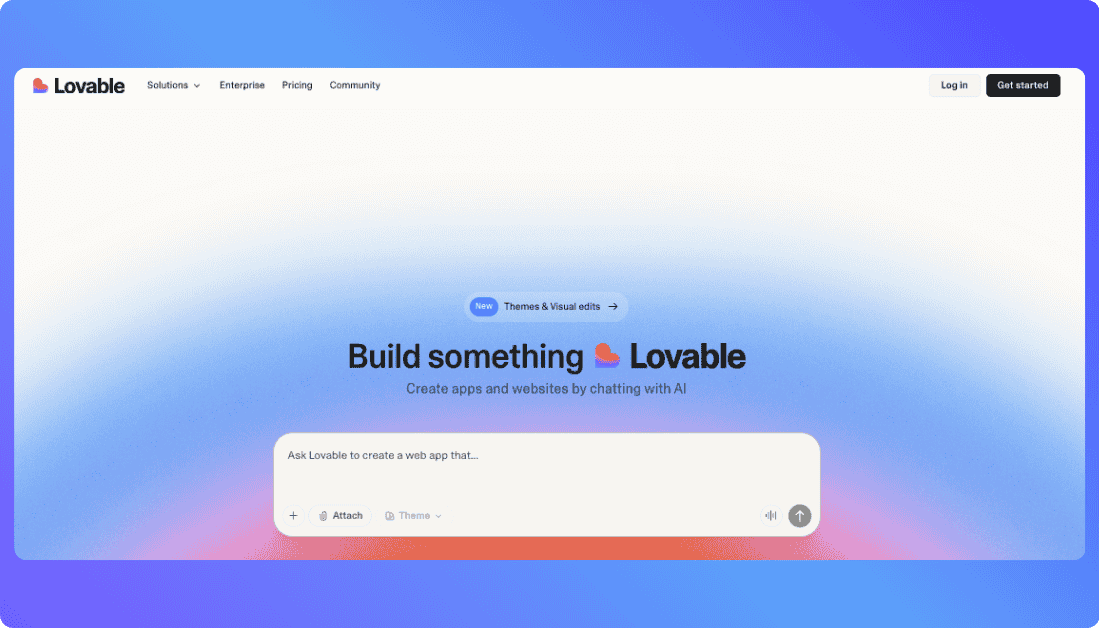
Lovable.dev is an AI development tool that generates clean, editable code for full‑stack applications. It helps you build faster while keeping full control over your codebase. Built for developers, it supports customization, collaboration, and easy handoff to production.
More Vibe Coding Tools You Might Like:
Both Emergent and Lovable use AI to accelerate app development, but they’re built for very different workflows. The table below breaks down how each platform’s AI performs across key areas that matter when building full‑stack applications.
| Feature | Emergent.sh | Lovable.dev |
|---|---|---|
| Prompt to App | Yes — generates complete applications from natural language input | No — focuses on generating UI components, not full applications |
| UI Generation | Yes — builds full UI screens based on prompts | Yes — converts design ideas into clean, structured UI code |
| Backend Logic Support | Fully supported — generates backend logic, APIs, and database connections | Not supported — lacks backend or server-side capabilities |
| Real-Time AI Suggestions | No — focuses on automation during generation, not live feedback | Yes — provides layout and design guidance as you build |
| Deployment Options | Built-in — deploy apps directly after generation | No built-in hosting — requires export and manual deployment |
| Multi-Agent Architecture | Yes — uses multiple AI agents to handle different parts of the app | No — single-layer generation focused on frontend |
| Training Data Focus | Tuned for full-stack generation and logic-driven applications | Optimized for layout patterns and design systems |
| Code Ownership | Partial — generated app is hosted on platform, with limited export options | Full — gives you clean code you can fully own and modify |
| Customization Flexibility | Low — focuses on automation, limited control post-generation | High — generated code is editable and easy to integrate |
| Use Case Strength | Ideal for rapid MVPs, prototypes, or internal tools built entirely with AI | Great for developers who want to speed up UI design and still write custom code |
| Speed to First Result | Extremely fast — full app in minutes from one prompt | Fast — UI mockups ready in minutes, full app requires extra steps |
Pricing Comparison of Emergent.sh and Lovable.dev: See Which One Fits Your Budget and Delivers More Value
When choosing an AI-powered builder platform, features matter—but so does how you pay and what you actually get for the price. Below is a snapshot of each platform’s pricing structure, followed by insights about where the real value lies.
Lovable.dev
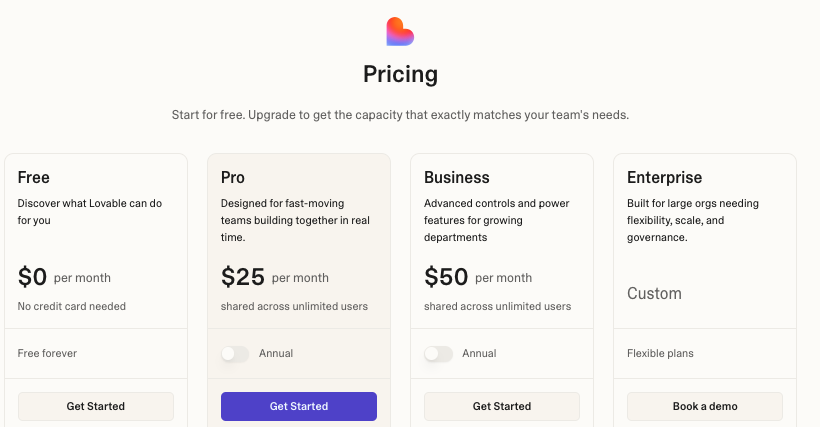
- Free Plan — $0/month
Great for exploring the platform with public projects and unlimited users. - Pro Plan — $25/month
Includes 100 credits per month, unlimited apps, custom domains, and team permissions. - Business Plan — $50/month
Adds internal app publishing, single sign-on (SSO), and opt-out from AI training. - Enterprise — Custom pricing
Tailored for large teams with advanced control, support, and governance.
Emergent.sh
- Free Tier — 5 credits/month
Enough to test small builds, but limited for serious use. - Standard Plan — $20/month
Offers 100 credits per month for building full-stack apps. - Additional Credits — $1 for every 5 credits
Top-up option available when your credit usage exceeds the plan. - Note: Some users may see a $10/month plan for 50 credits, but this varies based on current offers.
You Should Know Emergent Competitors:
Real-Life Use Cases of Emergent and Lovable
Each platform brings a different kind of power to the table. Your best choice depends on how you work, what you’re building, and who’s on your team. Below are real-world scenarios where Emergent or Lovable clearly stand out.
Use Emergent.sh if you:
- Want to build full-stack applications from a single prompt, without touching code
- Need rapid prototypes that include frontend, backend, and deployment in one workflow
- Prefer working with AI agents that handle tasks like database setup, API generation, and routing
- Are a solo founder or early-stage startup needing to validate an idea fast
- Have limited coding experience but want a working product with real functionality
- Need internal tools or admin dashboards spun up quickly
- Are exploring AI-led development flows and multi-agent orchestration
- Want to skip local development setup and launch directly from the cloud
- Value speed over granular customization
Use Lovable.dev if you:
- Need to design UI prototypes quickly with real, production-ready code
- Are a product manager, designer, or startup founder who wants to move fast without writing backend logic
- Want to explore layout ideas and interface flows before involving engineers
- Need to present UI concepts to clients or stakeholders in minutes
- Are working with a frontend developer who can take the generated code and build on it
- Care about owning clean code that can be exported, edited, and reused
- Want to bridge the gap between no-code and real-code
- Are building marketing sites, landing pages, or lightweight MVPs
- Prefer predictable credit-based pricing and clear separation between design and development
How Much Technical Skill Do You Really Need to Use Emergent and Lovable?
Emergent.sh is built for speed and simplicity, making it easy to generate full-stack apps without writing code. You describe what you want, and it builds the interface, backend, and deployment automatically. That said, while getting started is simple, customizing beyond the basics may still require technical insight.
If your app needs advanced logic, debugging, or integration with external APIs, you’ll need some understanding of how web apps work even if you’re not writing the code yourself.
Lovable.dev is designed with non-developers in mind. You can generate working UI layouts using natural language and get real, editable code. It’s approachable for beginners, especially product teams and designers. But the tradeoff is control.
Once you need to go beyond standard components or introduce backend logic, you’ll need a developer to step in. The first 80% is fast and easy, but finishing that last 20% often requires technical help.
Which AI App Builder is Right for You?
- For non-technical founders: Emergent builds full apps from a single prompt with no code required.
- For product teams: Lovable makes it easy to turn UI ideas into clean, exportable code.
- For rapid MVPs: Use Emergent to ship fast without setting up backend or deployment.
- For developers: Lovable gives you editable code and more control over the final product.
- For hybrid teams: Start with Lovable for UI layouts → finish in Emergent for a working app.
- For quick internal tools: Emergent handles logic, data, and deploy in one flow.
- For client demos or pitch decks: Lovable delivers polished UI mockups in minutes.
Want an Alternative to Emergent and Lovable?
If you’re looking for a third option that combines strengths from both platforms, consider Vitara AI. Here’s why it’s worth a look:
- Vitara AI lets you build full stack web and mobile applications from natural language prompts. It covers frontend, backend, and deployment in one flow.
- You get clean, production-ready code you can download, edit, and integrate into your stack, offering both speed and control.
- It’s designed to move you from idea to launch quickly, with tools like GitHub integration, authentication, database setup, and scalable infrastructure.
- Use Vitara AI if you find Lovable’s UI focus too limited or Emergent’s automation too restrictive and want something that bridges both worlds with more flexibility.
Recommend To Also Read This:
Appsmith vs Hostinger Horizons

Final Thoughts
AI-powered app builders are changing how products get made. Whether you’re a developer, a founder, or somewhere in between, choosing the right tool comes down to how you like to build. Speed, control, and flexibility all play a role.
Emergent shines when you need fast, full-stack automation without writing code. Lovable works best when clean UI and editable code matter most. The right pick depends on your project goals, your team, and how hands-on you want to be.
Frequently Asked Questions
What is the main difference between Emergent.sh and Lovable.dev?
Emergent.sh builds full-stack apps from a single prompt.
Lovable.dev focuses on turning UI ideas into editable code.
If you want fast automation, Emergent works. If you need full design control, Lovable fits better.
Can non-developers use Emergent or Lovable to build apps?
Yes, both platforms are beginner-friendly. Emergent is ideal for no-code users needing backend logic. Lovable suits designers and makers who want editable frontend code without diving into servers.
Does Emergent.sh support backend and database generation?
Absolutely. Emergent generates backend logic, database connections, and APIs automatically. It’s designed for users who need a complete app, not just UI.
Is Lovable.dev only for frontend UI generation?
Yes. Lovable.dev focuses entirely on frontend UI code. It does not generate backend systems, logic, or hosting options. You'll need to export and integrate it manually.
Which tool is better for launching an MVP fast?
Emergent.sh is built for speed. It can turn a single natural language prompt into a working MVP in minutes. That makes it a strong choice for rapid prototyping and lean startup teams.
Who owns the code generated by these platforms?
Lovable.dev gives full ownership of your generated code. You can download, edit, and deploy it anywhere. Emergent offers limited export options, and hosting remains tied to the platform.
What if I want an AI tool that combines both backend automation and frontend control?
That’s where alternatives like Vitara AI come in. It offers full-stack generation with editable UI code. If you want the best of both Emergent and Lovable, it’s worth exploring.
What’s New?