5 Best Appsmith Alternatives and Competitors in 2026
Appsmith has become a go-to choice for building internal tools. Its open-source approach and rapid UI development make it attractive for startups and growing teams. But as projects scale, many organizations start running into limitations. Developers often need richer customization, stronger backend workflows, advanced security, and smoother team collaboration. Appsmith delivers well on speed, but it isn’t always flexible enough for enterprise-grade demands. That’s where alternatives come in.

In this guide, we’ll break down the 5 best Appsmith competitors in 2026. These platforms go beyond drag-and-drop UIs. They offer deeper integrations, production-ready scalability, and AI-powered features that give developers more control. By the end, you’ll know exactly which tool fits your team’s needs whether you’re a small startup building fast or an enterprise looking for security and scale.
You Should Know About:
Top Appsmith Alternatives for Faster and Smarter AI App Building
here is the list of best competitors of Appsmith that you should try in 2026.
Vitara – Best Appsmith Alternative for AI-Powered Automation and Scalability

Vitara has quickly emerged as a strong competitor to Appsmith, offering a platform that blends low-code development with advanced AI automation. While Appsmith is known for fast UI creation, Vitara stands out by streamlining backend workflows and scaling apps for enterprise-grade performance. With Vitara, teams can move beyond drag-and-drop screens.
Its AI assistant helps generate both UI components and backend logic, cutting development time dramatically. Developers can integrate APIs, manage complex data flows, and set up automation pipelines without heavy manual coding.
Key features:
- AI-powered assistant for frontend and backend generation
- Prebuilt workflow automation templates
- Robust API management and third-party integration
- Role-based access, audit trails, and enterprise security controls
- Hybrid deployment: self-hosted or cloud-based
Best for: Teams that want AI-driven automation and need to scale apps quickly in enterprise settings. Appsmith alternative for: Streamlined backend workflows, automation, and enterprise scalability.
You Should Also Know:
Lovable – Best Appsmith Alternative for Fast UI Generation with AI
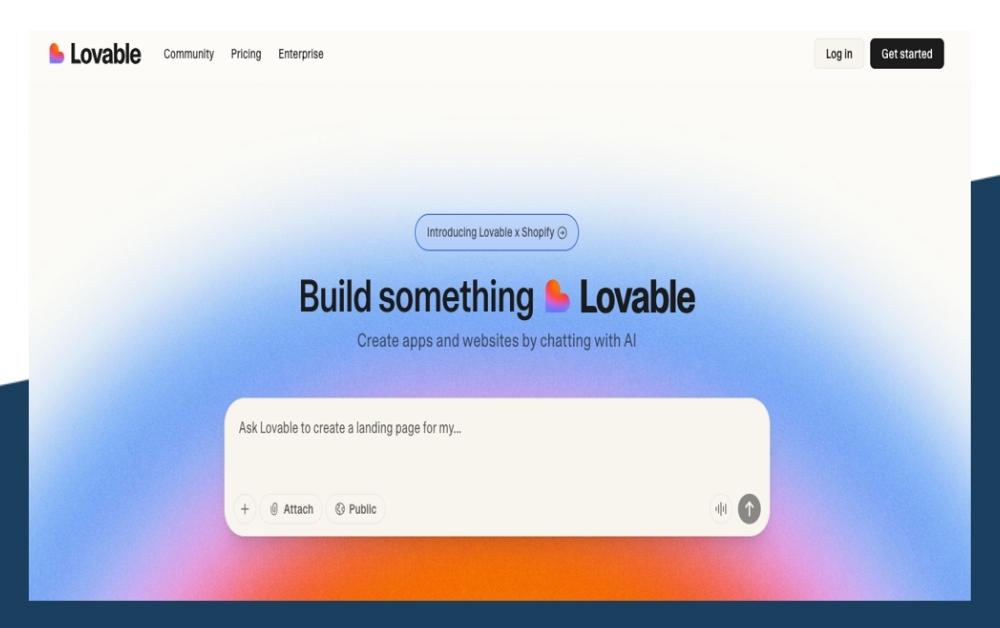
Lovable has gained attention as an AI-first platform that converts natural language prompts into functional frontends. While Appsmith delivers flexibility with drag-and-drop components, Lovable shines when speed and simplicity are the priority.
Instead of manually piecing together pages, teams can describe the app they want, and Lovable instantly produces working UIs. This makes it ideal for rapid prototyping, MVP launches, or design-heavy apps where time-to-market is critical.
However, Lovable’s strength in UI generation means it can lack the backend depth and security features larger enterprises demand in areas where Appsmith still holds ground.
Key features:
- AI-driven UI generation from plain prompts
- Ready-to-use layouts and component libraries
- Simple API connections for basic data handling
- Lightweight platform ideal for design-focused apps
- Cloud-based deployment with easy sharing
Best for: Startups, designers, and teams building prototypes or lightweight apps at lightning speed. Appsmith alternative for: Rapid UI design, prototyping, and turning prompts into functional frontends.
Also Read:
Bolt – Best Appsmith Alternative for Full-Stack AI App Development
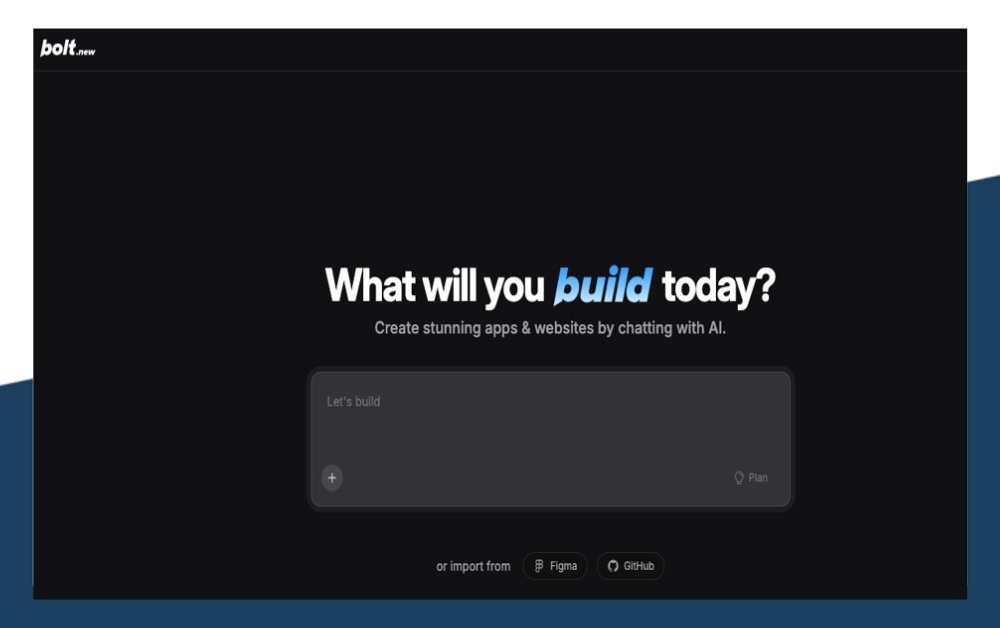 Bolt positions itself as a next-gen AI development platform, giving teams the ability to build complete apps, not just the frontend. While Appsmith focuses on internal tools and dashboards, Bolt goes further by covering both UI generation and backend logic with strong AI support. With Bolt, developers can describe the full scope of an application in natural language.
The platform then scaffolds everything including interfaces, data models, APIs, and workflows. Teams can refine the output with code or use visual tools for adjustments. This approach significantly reduces development cycles while still allowing deep customization.
Key features:
- AI-powered full-stack generation (frontend + backend)
- Built-in database and API orchestration
- Extensible with custom code for complex logic
- Collaboration tools for multi-developer teams
- Secure deployment options in the cloud or on-prem
Best for: Developers and product teams building production-ready apps with AI assistance. Appsmith alternative for: Full-stack app creation, backend integration, and reducing development time.
Also Read:
Vercel V0 – Best Appsmith Alternative for AI-Driven Frontend and Deployment
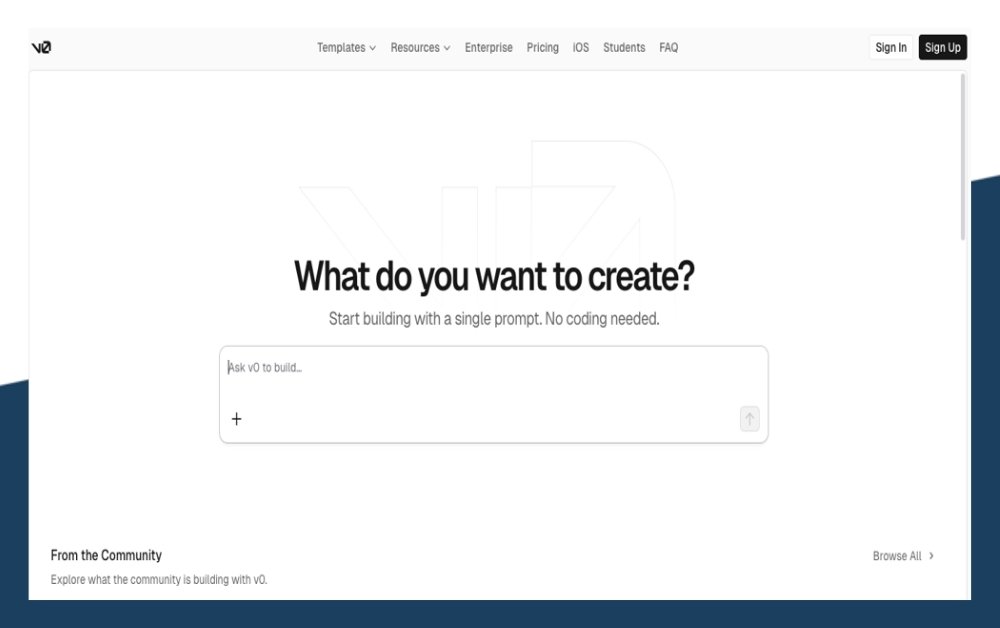
Vercel V0 is built by the team behind Vercel, a platform already trusted for high-performance deployments. While Appsmith focuses on internal tool development, Vercel V0 specializes in using AI to generate production-ready frontends that can be instantly deployed on the Vercel cloud. Developers can input natural language prompts, and V0 generates clean React components that align with modern design frameworks.
This makes it particularly powerful for teams that want polished UIs combined with seamless hosting. Unlike Appsmith, which emphasizes low-code dashboards and connectors, V0 caters to front-end developers who value design quality and deployment speed.
Key features:
- AI-assisted frontend generation using modern frameworks
- Direct integration with Vercel’s global edge network
- High-performance hosting with built-in scalability
- Optimized workflows for React, Next.js, and modern stacks
- Collaborative editing environment for teams
Best for: Frontend-focused teams and startups that want beautiful UIs with instant global deployment. Appsmith alternative for: Polished frontend generation, seamless hosting, and developer-first workflows.
Also Read:
The Best Vercel V0 Alternative
Base44 – Best Appsmith Alternative for Enterprise-Grade Security and Customization
 Base44 positions itself as a secure, enterprise-ready platform for building complex applications with full-stack flexibility. While Appsmith is excellent for rapid internal tool creation, Base44 focuses on giving organizations tighter control over data, compliance, and large-scale collaboration.
The platform combines AI-powered app generation with robust governance features. Developers can customize every layer of the stack, from frontend components to backend workflows, while security teams benefit from detailed permissions, encryption, and compliance certifications. This makes Base44 especially appealing to industries with strict regulatory requirements.
Key features:
- AI-assisted app creation across frontend and backend
- Enterprise-grade roles, permissions, and compliance tools
- Advanced API integration and orchestration
- Full customization with extensible code support
- Flexible deployment options, including on-premise hosting
Best for: Enterprises and regulated industries that prioritize security and full-stack customization. Appsmith alternative for: Strong compliance, data security, and control over app architecture.
Also Read:
Base44 Alternatives: 5 AI App Builders You Should Try

Appsmith Alternatives Comparison Table
here is the comparison table with short summary for you to quickly review all the information:
| Platform | Best For | Key Strengths | Deployment Options | Limitations vs Appsmith |
|---|---|---|---|---|
| Vitara | Enterprise teams scaling apps with automation | AI-driven backend workflows, automation templates, robust integrations | Cloud or self-hosted | Can be heavier to learn for small teams |
| Lovable | Startups and designers prototyping quickly | AI UI generation, instant frontends, design-focused | Cloud-based | Limited backend and security features |
| Bolt | Developers building production-ready apps | Full-stack AI generation, database + API orchestration, strong collaboration | Cloud or on-prem | May require more technical knowledge than Appsmith |
| Vercel V0 | Frontend-first teams needing polished UIs | AI React component generation, seamless Vercel hosting, high scalability | Vercel cloud | Focused on frontend, limited internal tool features |
| Base44 | Enterprises with strict compliance needs | Enterprise-grade security, permissions, extensible code, flexible deployment | Cloud or on-prem | More complex setup, suited for large orgs |
Final Thoughts
Appsmith is a strong platform for building internal tools, but it can fall short when projects demand advanced automation, enterprise security, and large-scale collaboration. That’s why exploring alternatives is so valuable in 2026. The options we’ve covered give teams more flexibility, deeper backend control, and AI-powered features to accelerate development. Each tool has its strengths, from Lovable’s rapid prototyping to Vercel V0’s polished frontends.
But if you’re looking for the most complete upgrade from Appsmith, Vitara stands out. Vitara combines AI-driven automation with enterprise scalability, making it ideal for teams that want to move fast without compromising on backend power or security. It’s not just about creating UIs it’s about building production-ready apps that grow with your organization.
Whether you’re a startup experimenting with new ideas or an enterprise IT department standardizing on secure platforms, there’s an Appsmith alternative on this list that fits your needs. And with free tiers and flexible deployment options, you can start small and scale up when the time is right.
Frequently Asked Questions
What makes Vitara a stronger alternative to Appsmith for enterprise-scale applications?
Vitara delivers AI-powered backend automation, advanced security, and hybrid deployment options. It scales complex workflows faster than Appsmith and gives enterprises tighter control over data and compliance.
Why should teams consider alternatives to Appsmith in 2026?
Teams look for Appsmith alternatives when they need stronger automation, deeper backend control, and enterprise security. Modern AI app builders offer faster workflows, better scalability, and smarter integrations that Appsmith doesn’t fully support.
How does Lovable differ from Appsmith in terms of UI generation and prototyping speed?
Lovable generates full UIs from simple prompts, making prototyping almost instant. Appsmith requires manual layout work, so Lovable is much faster for early-stage design and MVP creation.
Is Bolt a better option than Appsmith for full-stack AI app development?
Yes. Bolt generates both frontend and backend using AI, which Appsmith doesn’t support. It builds data models, APIs, and workflows automatically, making it stronger for full-stack, production-ready development.
What are the main advantages of using Vercel V0 over Appsmith for frontend-focused teams?
Vercel V0 creates polished React components from simple prompts and deploys them instantly on Vercel’s global network. It’s ideal for teams that want beautiful UIs with fast, production-grade hosting.
Why is Base44 considered a top Appsmith alternative for enterprises with strict security needs?
Base44 offers enterprise-level roles, encryption, compliance tools, and full-stack customization. It supports on-prem deployments and strong governance, making it ideal for regulated industries that need tight control and security.
Which platform offers the strongest backend automation capabilities compared to Appsmith?
Vitara offers the strongest backend automation with AI-driven workflows and prebuilt automation templates. It handles complex data operations that Appsmith can’t automate at scale.
How do deployment options differ among Appsmith alternatives like Vitara, Bolt, and Base44?
Vitara and Bolt support cloud and on-prem deployments for flexible scaling. Base44 adds enterprise-grade on-prem control with advanced compliance. Appsmith’s deployment options are simpler and less enterprise-focused.
What factors should a team consider when choosing the best Appsmith alternative for their project?
Before choosing an Appsmith alternative, focus on the key factors that shape your project’s speed, security, and scalability.
- Project Complexity: Check if the platform supports full-stack development, automation, or simple internal tools.
- AI Capabilities: Look for AI features that speed up UI creation, backend logic, and workflow automation.
- Security Requirements: Evaluate compliance needs, role-based access, audit logs, and encryption options.
- Scalability: Choose a tool that grows with your app size, data volume, and team collaboration.
- Deployment Flexibility: Decide whether you need cloud, self-hosted, or on-prem deployment.
- Integration Support: Ensure the platform connects smoothly with your APIs, databases, and existing systems.
- Team Skill Level: Pick a tool that matches your team's coding comfort—low-code, no-code, or full-code.
- Budget & Pricing: Compare pricing tiers and check long-term cost for scaling apps and users.
- Customization Needs: Confirm how much control you need over UI components, workflows, and backend logic.
- Time-to-Market: Choose platforms that reduce manual work and help you ship faster with fewer resources.
What’s New?