Top 5 ai tools for building travel websites

Last month, I decided to help a friend build a travel website for her boutique tour business. Nothing fancy, just a clean, professional site where people could check out itineraries, book trips, and maybe read a few travel tips. I’m no web developer, but with all the AI tools out there promising to build entire websites in minutes, how hard could it be?
Turns out, not all AI tools are created equal, and some make the process way more confusing than it needs to be.

After trying out a bunch of popular platforms, I found a few that actually delivered on their promises and a couple that didn’t.
Here’s what I found.
How Did We Compile The List of Top AI Travel Website Builders?
I approached each AI tool with the same goal in mind: build a fully functional travel website that could showcase destinations, highlight tour packages, and offer a simple booking option. Nothing too fancy, but realistic enough to see what these platforms could actually handle.
The criteria I used to evaluate each one were simple:
Ease of use: How beginner-friendly was the setup process?
Design quality: Did the site look professional, or like a rushed template?
Practical features: Could someone without coding skills launch this for a real travel business?
SEO readiness: Were basic search optimization tools built in from the start?
Scalability: Could the website grow as traffic, content, and bookings increased?
A quick comparison of the top AI Tools for building travel Website
| Tool | Best For | Key Strength | Starting Price |
|---|---|---|---|
| Vitara | Full stack sites built using AI prompts | Turns plain language into working code with frontend and backend included | Free tier, from around $20 per month |
| Wix AI Builder | Beginners and small business travel sites | AI generates entire site design, content, and layouts quickly | Free entry with premium plans from around $19 per month |
| CodeDesign.ai | Travel focused templates and funnels | Thousands of customizable templates with built in content funnels | Plans from around $99 per month |
| Hostinger AI Builder | Budget friendly travel sites | Fast AI build with hosting, SEO, and content tools included | Free trial, then from around $1 per month |
| Base44 | All in one business sites and tools | Includes CRM, email, and scheduling alongside site building | Pricing varies by plan |
5 Best AI tools for building travel website
1. Vitara: Plain Text to Publish-Ready Site
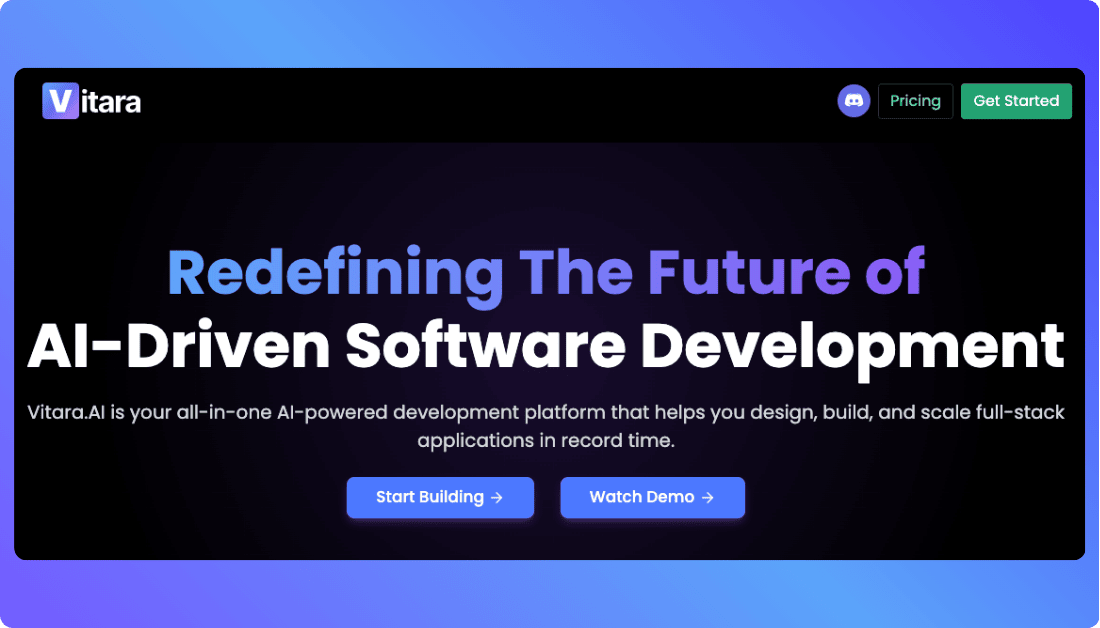
Vitara surprised me right out of the gate. I started by typing a few simple prompts like “Create a travel site for a hiking tour business with booking and photo galleries,” and within seconds, it handed me a fully working front-end and back-end. No dragging. No clicking through endless menus. Just fast, clean code that actually ran.
What stood out most was how it handled logic. From booking forms to destination filters, it built functions I could test in real time. For folks who know a little HTML or have tinkered with dev tools before, this feels like having an engineer in your pocket.
But there’s a catch. If you’re starting from zero technical knowledge, Vitara might feel a little intimidating. There’s no glossy UI walking you through the build. It gives you raw power and expects you to know (or learn) how to steer it. Think of it like being handed a solid mountain bike. You’ll go far, but only if you know how to ride.
2. Wix AI Builder: Friendly, Fast, and Surprisingly Smart

Wix AI Builder is built for anyone who wants a travel website up and running without getting bogged down in tech. You answer a few basic questions about your business, choose a vibe for the design, and within a couple of minutes, it generates a complete site. It even fills in sections with sample content so you’re not staring at a blank screen wondering what to write. The whole process feels like setting up a smart assistant that actually listens.
But the simplicity has limits. Once I tried adding more specific features like dynamic booking calendars or custom layouts, the AI stepped back and left me in the standard editor. It’s not hard to use, but it loses that magical, hands-off feel. Still, if you’re a solo tour operator or travel blogger looking for something clean and professional, Wix is a solid pick to get started without feeling overwhelmed.
3. CodeDesign.ai: Travel-Focused, Funnel-First

CodeDesign is clearly made for travel businesses. Everything about it feels tailored for companies that want to convert visitors into customers. From the moment you log in, the platform focuses less on fancy design and more on what actually helps people book trips.
Here’s where it shines:
- Travel-specific templates built for tour companies, agencies, and experience sellers
- Built-in lead capture and booking call-to-actions on nearly every page
- Pre-written content sections to help you avoid the dreaded blank page
- Templates optimized for mobile and SEO right out of the box
4. Hostinger AI Builder: Clean Results on a Tight Budget

Hostinger’s AI Builder is one of the most affordable ways to launch a travel website without sacrificing too much on quality. The setup takes just a few clicks. You type in your business type, choose a name, and it generates a fully built website with pages, placeholder text, and a clean design. It even comes bundled with hosting, which means you don’t have to deal with technical setup or third-party services.
The site it created for my test travel business looked surprisingly polished, especially considering the price point. It had sections for tour packages, customer testimonials, and a blog. But you can feel the budget limitations when you try to customize beyond the basics. The design tools are simple, but they don’t offer a lot of flexibility. For someone launching a new travel brand on a tight budget, it’s more than enough to get going.
5. Base44: The Quiet All-Rounder
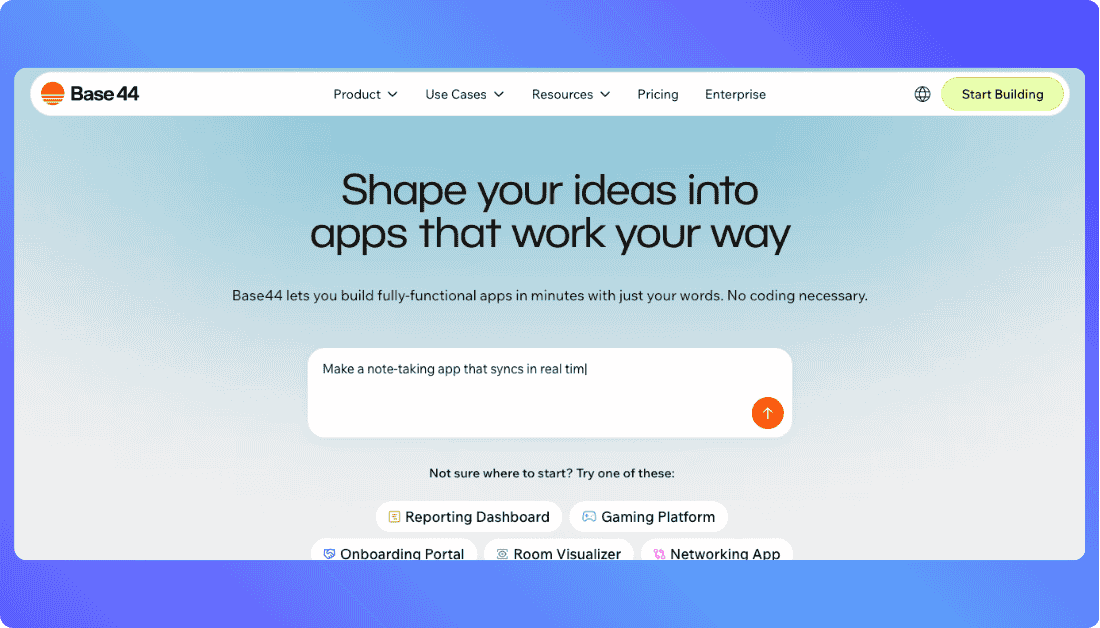
Base44 wasn’t even on my list when I started testing tools, but it quickly became one of the most well-rounded options. The interface is clean and easy to get used to. Instead of overwhelming you with flashy features, it focuses on practical tools that help you run your business site builder, booking management, CRM, and even email integration.
What I appreciated most was how complete everything felt. It didn’t just help me build a site, it gave me the tools to actually operate a small travel business online. The templates were flexible without being too rigid, and the setup didn’t take much guesswork. If you’re looking for something stable and dependable that handles more than just the website, Base44 quietly checks all the boxes.
How to Choose the Right AI Tool for Your Travel Website
Not every AI tool is built for the same kind of traveler or business. What works for a solo blogger might not cut it for a tour company handling dozens of bookings a week.
Here are a few things to think about before you commit:
- Your technical comfort level: Do you want something fully hands-off, or are you okay tweaking layouts and settings yourself?
- Type of travel business: Are you offering guided tours, managing bookings, writing travel content, or doing a bit of everything?
- Built-in features: Look for tools with booking forms, SEO tools, payment integration, and responsive design out of the box.
- Scalability: Will the platform still work for you as your traffic grows or your offerings expand?
- Design flexibility: Can you make it look like your brand, or does every site built with the tool look the same?
- Support and documentation: If you get stuck, how easy is it to get help or find clear answers?
- Budget: Don’t just compare the base price. Think about the features included and whether you’ll need to upgrade quickly.

Final Thoughts
Building a travel website used to mean hiring a developer, learning code, or wrestling with clunky templates. Now with the right AI tool, you can launch something clean, functional, and totally your own, even if you’re starting from scratch.
The key is finding the platform that matches your goals and comfort level. Whether you need speed, flexibility, or all-in-one features, there’s a tool out there that can take your travel brand from idea to live in no time.
Frequently Asked Questions
Can I build a travel website with AI even if I have no tech skills?
Yes, many AI website builders are designed for beginners. Tools like Vitara AI, Wix AI and Hostinger AI Builder walk you through setup with simple questions and generate a full site for you.
Which AI builder is best for adding booking features?
CodeDesign and Base44 stand out here. They both offer built-in options or integrations for booking forms, customer management, and lead capture. Great choices if you're running tours or taking reservations.
Will my AI-built website be mobile-friendly?
Most modern AI builders automatically create mobile-responsive designs. Just make sure to preview your site on mobile during setup so you can catch any layout issues before going live.
What if I want to customize the site later?
Some platforms like Vitara give you full control over the code for deeper customization. Others like Wix AI let you make visual changes through a drag-and-drop editor with no coding needed.
Are AI website builders good for SEO?
They’re improving quickly. Platforms like CodeDesign and Wix include basic SEO features such as meta tags, alt text, and optimized page structure. But remember, strong content and page speed still matter the most.
What’s New?